Nouakchott–Mogadishu: Building the Continental Solidarity External Partnerships Cannot Replace
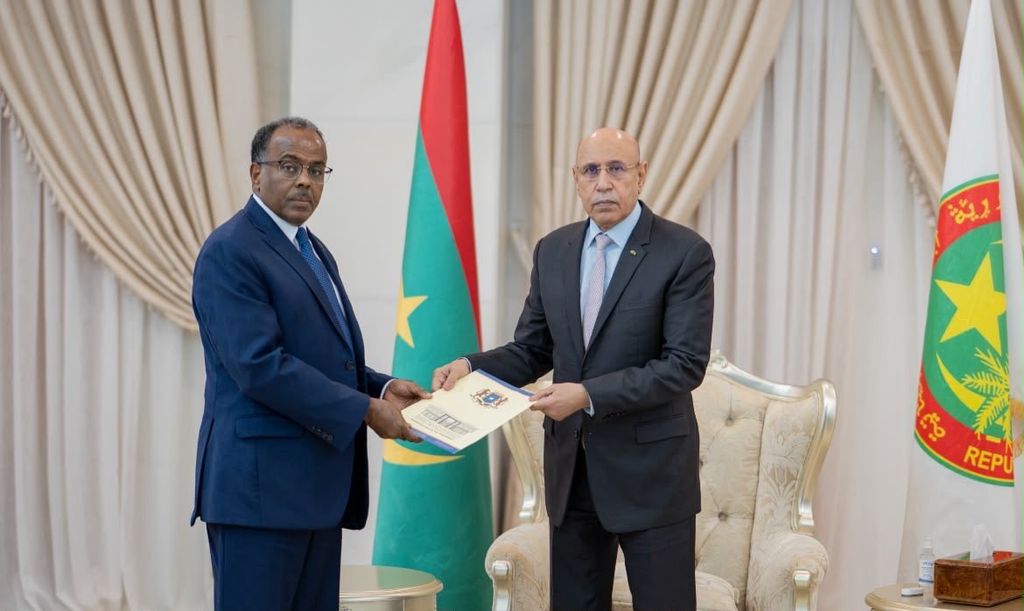
Somalia’s dispatch of a special envoy carrying a message from President Hassan Sheikh Mohamud to Mauritanian President Mohamed Ould Cheikh El Ghazouani is a diplomatic gesture whose significance lies in what it reflects about the direction of African continental engagement. That the Horn of Africa’s largest state is investing diplomatic capital in a Sahelian-West African country reflects an emerging recognition that Africa’s most consequential challenges — insecurity, economic vulnerability, food systems, climate pressure — do not respect the regional administrative boundaries through which the continent’s multilateral frameworks have historically been organised. Somalia’s reach toward Mauritania is therefore not merely bilateral relationship-building but a contribution to the broader project of African continental connectivity whose density, over time, creates the solidarity architecture that integration frameworks aspire to but rarely deliver at the level of direct state-to-state engagement.
Mauritania’s growing diplomatic significance within the African landscape is rooted in the combination of its strategic geography, its relationships across the Sahel, West Africa, and the Arab world, and the reputation for diplomatic engagement that President Ghazouani has cultivated through sustained multilateral commitment. Countries that function as nodes of connectivity — that maintain relationships across the continent’s diverse political and economic spaces, facilitate dialogue between parties whose direct engagement is difficult, and contribute to the regional conversations in which major decisions about Africa’s governance are shaped — exercise a form of diplomatic influence whose value is not always captured in conventional measures of state power. Somalia’s confidence in Mauritania as a partner worth engaging reflects this assessment: a recognition that Nouakchott can contribute meaningfully to discussions whose stakes extend well beyond the bilateral relationship.
The Mauritania-Somalia engagement illustrates a broader continental pattern that deserves more analytical attention than it typically receives: the gradual densification of direct intra-African diplomatic relationships that are driven by African priorities rather than organised around the agendas of external actors. Africa’s integration project has historically been conducted primarily through multilateral institutions and, secondarily, through bilateral relationships with external partners. The systematic development of direct, high-level engagement between African states across regional boundaries — driven by shared interests in security, trade, climate, and development — represents a deepening of continental solidarity whose implications for African sovereignty and strategic autonomy compound over time. The Somalia-Mauritania relationship is one thread in that fabric, modest in isolation but significant as part of a pattern.