
One Platform, Every Stakeholder: Maputo Port’s Digital Overhaul Is a Gateway to Southern Africa’s Trade Future
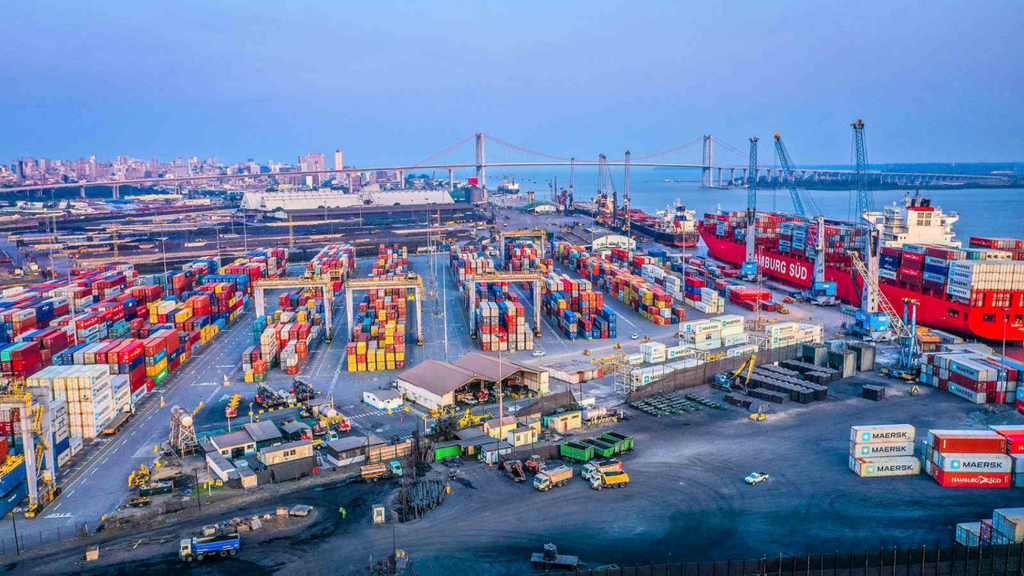
The Maputo Port Development Company’s award of Mozambique’s first unified Port Community System contract to Kale Logistics Solutions — to be operational by 2028 — is a logistics modernisation investment whose significance extends well beyond port efficiency metrics into the domain of national competitiveness and regional trade leadership. A PCS that creates a single digital platform connecting vessel management, import and export processing, customs, warehousing, truck and rail movement, payment systems, and performance monitoring does not simply accelerate existing workflows; it fundamentally restructures the information architecture through which port operations are coordinated, replacing the fragmented, paper-dependent, and time-consuming processes that have historically added cost and delay to Mozambican trade with a unified digital environment whose benefits compound across every transaction the port facilitates. For a country whose geographic position makes it a natural gateway for landlocked neighbours’ trade, operational efficiency is not a domestic infrastructure concern but a competitive advantage whose presence or absence shapes the routing decisions of regional shippers.
The platform’s integration with existing systems — the Customs Single Window, Terminal Operating Systems, Vessel Traffic Management Systems, and banking infrastructure — reflects a design philosophy whose wisdom lies in building connectivity rather than replacement: recognising that the institutional and technical systems already in place represent accumulated investment and embedded expertise, and that the most effective modernisation builds interoperability across those systems rather than displacing them. Minister of Transport João Matlombe’s framing of the PCS as a strategic shift in national competitiveness situates the investment correctly: digital transformation in port logistics is not a technical upgrade to existing operations but a repositioning of Mozambique within the Southern African trade ecosystem, with implications for investment attraction, trade volumes, and the country’s ability to capture the logistics revenue that regional commerce generates.
The Port of Maputo’s PCS initiative carries broader significance for the continental AfCFTA implementation agenda, where the gap between trade agreement ambitions and logistics realities remains one of the most consequential implementation constraints. Intra-African trade volumes are limited not only by tariff barriers and regulatory complexity but by the port inefficiencies, information asymmetries, and coordination failures that make cross-border trade operationally burdensome even where it is legally permitted. Digital port infrastructure that reduces these frictions — improving predictability, reducing dwell times, enhancing transparency, and strengthening the trust relationships between port users and authorities — directly expands the practical space within which AfCFTA’s trade facilitation objectives can be realised. Mozambique’s investment in port digitalisation is therefore simultaneously a national infrastructure decision and a contribution to the regional trade architecture that Southern Africa’s economic integration requires.





