
Peru’s Tourism Growth Faces Infrastructure and Machu Picchu Ticketing Challenges
Peru’s latest economic and tourism developments are being shaped by efforts to attract more international visitors while addressing weaknesses in the country’s tourism infrastructure. Recent figures show that international tourism has continued to grow during 2026, with Peru receiving increasing numbers of visitors from several regional markets. Travel and Tour World — Peru tourism arrivals in 2026 Regional visitors are particularly important because travelers from neighboring South American countries can provide a relatively stable source of tourism demand even when long-haul travel patterns fluctuate. Ecuador and Bolivia, for example, were among the important markets recorded in Peru’s recent tourism figures. The continued growth is significant for hotels, restaurants, transportation companies, tour operators and small businesses that depend heavily on visitor spending.
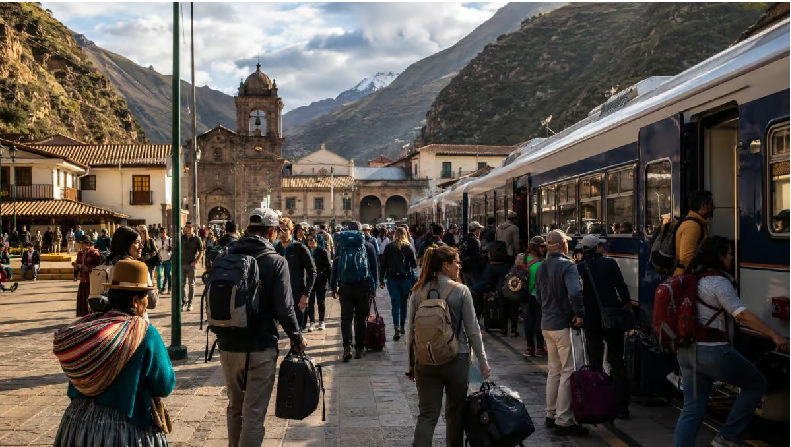
At the same time, Peru’s tourism industry is confronting problems surrounding access to one of its most important attractions, Machu Picchu. Peru’s tourism minister recently blamed automated bots for disrupting the site’s online ticketing system and said the government plans to introduce a new platform. Fertur Travel — Peru’s Machu Picchu ticketing-system problems The controversy is important because Machu Picchu remains one of Peru’s most internationally recognized attractions, and problems obtaining tickets can affect visitors’ willingness to plan trips to the country. The government has therefore been under pressure to make ticket sales more transparent and efficient while ensuring that the archaeological site can accommodate visitors without compromising its preservation.
Peru’s tourism outlook is consequently a mixture of growth and structural challenges. Rising international arrivals provide an opportunity to generate foreign exchange and employment, but the country needs reliable transport, transparent ticketing systems and effective management of major tourist destinations if it wants that growth to continue. The government has been seeking to position Peru not only around Machu Picchu but also around gastronomy, biodiversity, cultural heritage and other destinations, which could help spread tourism revenue beyond the country’s best-known attraction. With visitor numbers gradually recovering and regional travel remaining important, the next challenge will be converting that demand into sustainable tourism growth rather than allowing infrastructure and management problems to limit the sector’s potential.





