Protect, Unite, Transform: Togo’s AfDB Partnership Signals That the Next Development Phase Will Be Built on Institutional Alignment
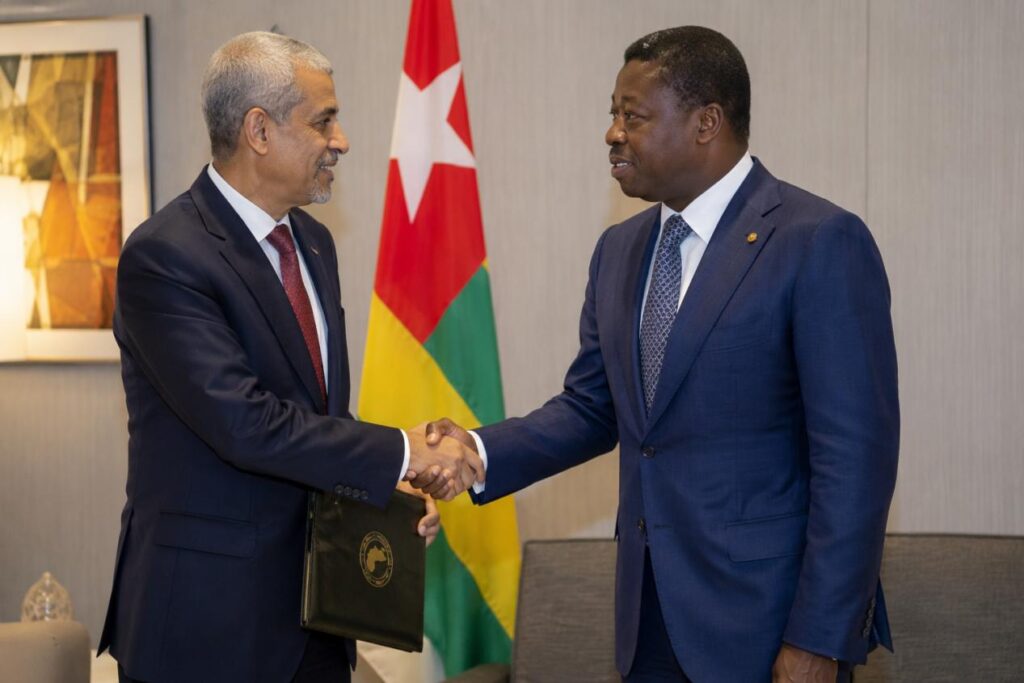
The African Development Bank Group’s commitment to support Togo’s 2026–2031 development roadmap — pledged by AfDB President Sidi Ould Tah following discussions with President Faure Gnassingbé in Lomé — is a financing commitment whose deeper significance lies in what it reflects about the quality of Togo’s planning framework rather than simply the quantum of resources it unlocks. Multilateral development banks do not align their portfolios with national strategies as a diplomatic courtesy; they do so when the strategic framework provides sufficient clarity of priorities, institutional ownership, and implementation credibility to justify aligning external resources with national objectives rather than pursuing parallel project pipelines that bypass national planning systems. The AfDB’s expressed confidence in Togo’s forthcoming roadmap — built around the pillars of Protect, Unite, and Transform — signals that Lomé’s planning process has generated the kind of institutional product that attracts partnership rather than prescription.
The Bank’s active portfolio in Togo — 26 projects spanning infrastructure, energy, agriculture, and social development — provides the implementation foundation on which the new roadmap’s ambitions can be built. The explicit commitment to improve project execution, accelerate disbursements, and shorten implementation timelines addresses the dimension of development partnership that often determines whether financing translates into development outcomes or remains in approval pipelines: the operational effectiveness with which resources move from commitment to delivery. For Togo, the partnership’s value is measured not in the size of the financing envelope but in whether the combination of national planning clarity and multilateral portfolio alignment produces infrastructure built, services delivered, and economic opportunities created that citizens can actually experience.
Togo’s 2026–2031 roadmap partnership carries significance for the broader African conversation about the relationship between national planning and multilateral development finance. The critique that external development assistance has historically fragmented national planning — creating donor-driven project portfolios that reflect funders’ priorities rather than national strategies — is being addressed in contexts like this one through deliberate alignment between national roadmaps and multilateral portfolio construction. When African governments produce planning frameworks of sufficient quality and ownership to attract multilateral alignment rather than substitution, the development cooperation relationship shifts in a direction that serves national priorities. Togo’s experience is therefore not only a national governance story but a contribution to the African argument about what development partnership done well can look like.