
Equatorial Guinea Builds a History Textbook the Nation Can Call Its Own
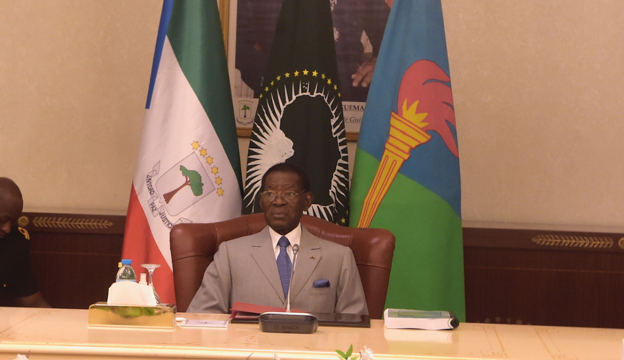
The Government of Equatorial Guinea has taken a significant step toward strengthening historical education and national identity through the development of a comprehensive history textbook that will be integrated into the country’s educational curriculum. President Teodoro Obiang Nguema Mbasogo met with members of a multidisciplinary committee tasked with reviewing and finalising the publication — which aims to present the socio-cultural and ethnocultural history of Equatorial Guinea from the colonial period to the present day. The initiative addresses a structural gap that runs through education systems across much of Africa: the absence of a locally authored, nationally grounded account of a country’s own history that students can hold in their hands and recognise as their own.
According to the committee’s coordinator and Rector of the National University of Equatorial Guinea, Filiberto Ntutumu Nguema Nchama, the project addresses a long-standing gap in the country’s educational system. He emphasised that history plays a crucial role in shaping national identity, promoting social development, and helping societies learn from past experiences. The textbook will chronicle key periods in Equatorial Guinea’s evolution — including the colonial era, the autonomy period, the first years of independence, and subsequent stages of national development — offering a more detailed and locally grounded historical narrative than what has previously been available to generations of students whose sense of national history was shaped primarily by external sources.
The initiative reflects broader efforts across Africa to strengthen educational sovereignty and ensure that future generations learn their history through perspectives rooted in their own realities. Once finalised, the textbook will be distributed to schools, universities, and public libraries across the country — making it accessible to students, educators, researchers, and the general public. Supporters believe it will serve as an important tool for preserving national memory, promoting civic education, and deepening understanding of Equatorial Guinea’s historical experience. Across a continent where colonial-era education systems too often taught children to see themselves through the eyes of those who had conquered them, the act of writing and distributing a national history is itself an act of liberation.





