
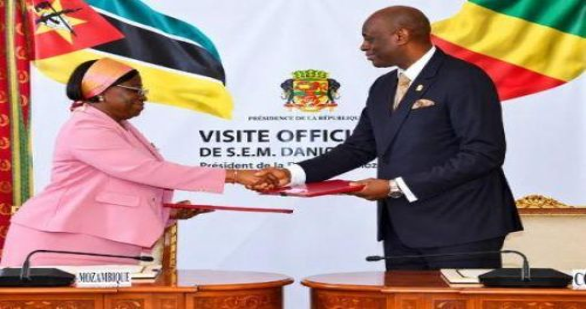
Republic of Congo and Mozambique Sign Historic Energy Cooperation Accord
The Republic of Congo and Mozambique have signed a landmark bilateral hydrocarbons cooperation agreement in Brazzaville to expand joint energy production and deepen economic ties across Central and Southern Africa. Signed during an official state visit by Mozambican President Daniel Chapo to meet Congolese President Denis Sassou-Nguesso, the framework establishes a strategic partnership between two major African energy producers with complementary industry profiles. According to official reporting by Ecofin Agency, the accord forms part of ten legal agreements signed at the inaugural Joint Grand Commission for Cooperation session. Consequently, both nations aim to leverage their distinct energy assets to drive sub-regional industrial development and increase bilateral commerce.
Under the framework, both governments intend to address distinct energy priorities by leveraging their respective crude oil and natural gas sectors. Congo seeks to scale crude oil production to 500,000 barrels per day by 2030 while expanding domestic refining capacity to reduce expensive foreign fuel imports. Simultaneously, Mozambique expects up to $60 billion in incoming natural gas investments in the Rovuma Basin through major international consortiums including Eni, TotalEnergies, and ExxonMobil. Detailed reporting from Journal de Brazza emphasizes that President Chapo invited Congolese businesses to invest in Mozambican transport logistics, infrastructure, and agriculture to build broader economic integration. Therefore, aligning offshore gas developments with established oil capabilities gives both states stronger bargaining leverage in global commodity markets.
While bilateral trade between the two nations reached just $20 million in 2024, the newly ratified treaty creates a broad legal framework across agriculture, tourism, and maritime logistics to accelerate cross-border trade flows. Furthermore, President Denis Sassou-Nguesso urged ministerial teams to fast-track project execution and ensure that signed protocols move rapidly from paper into actionable commercial ventures. As highlighted by Ecofin Agency Analysis, both nations are prioritizing practical implementation mechanisms to diversify trade portfolios beyond raw energy exports. Ultimately, converting these diplomatic commitments into operational energy projects will remain critical to securing long-term economic sovereignty across the continent.
PHOTO SOURCE: ECOFIN AGENCY
Author: Randy Lawson.





