Safeguarding Paradise: Namibia Unveils Landmark Policy to Regulate Mining in Protected Areas and Joins AU’s Pan-African Mineral Drive
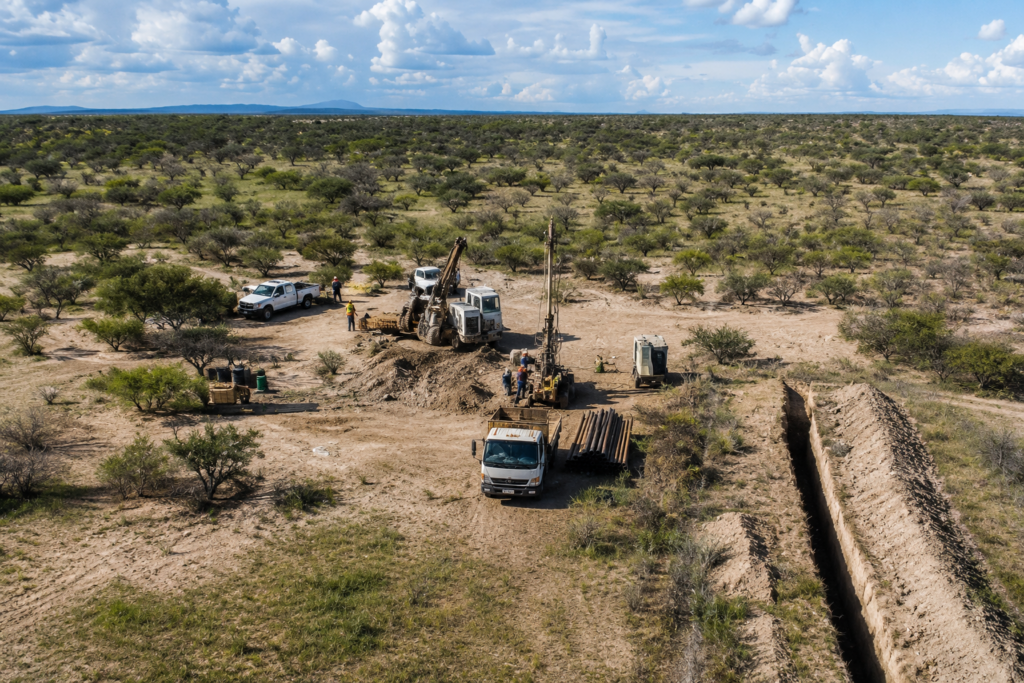
In a historic move designed to reconcile ecological preservation with aggressive economic expansion, the Namibian cabinet has officially approved a pioneering national framework that strictly governs all mineral prospecting and mining operations across the country’s protected reserves and environmentally sensitive ecosystems. Announced by Minister of Information and Communication Technology Emma Theofelus following the cabinet’s 24th executive meeting in Windhoek, the National Policy on Prospecting and Mining in Protected Areas establishes rigorous environmental safeguards engineered to prevent biodiversity loss and land degradation in vulnerable habitats. According to detailed reporting by Mining & Energy Namibia, the policy was jointly developed by the Ministry of Industry, Mines and Energy alongside the Ministry of Environment, Forestry and Tourism. It integrates an innovative Decision Support Tool designed to assess ecological, social, and cultural heritage sensitivities before any exploration or mining licenses are considered, ensuring that commercial resource extraction does not compromise the nation’s natural heritage.
Beyond establishing internal conservation boundaries, Windhoek simultaneously reinforced its commitment to sustainable resource management on a continental scale by endorsing the statute of the African Mineral Development Center (AMDC). Official coverage from Xinhua News Agency details how the executive decision authorizes Namibia’s Minister of International Relations and Trade to sign the statute on behalf of the government, subject to parliamentary ratification. Operating as a specialized agency under the African Union (AU), the AMDC serves as the primary engine for implementing the Africa Mining Vision—a comprehensive policy framework aimed at transforming the continent’s mineral sector by promoting local value addition, downstream industrialization, domestic processing, and broader socio-economic development from natural resources.
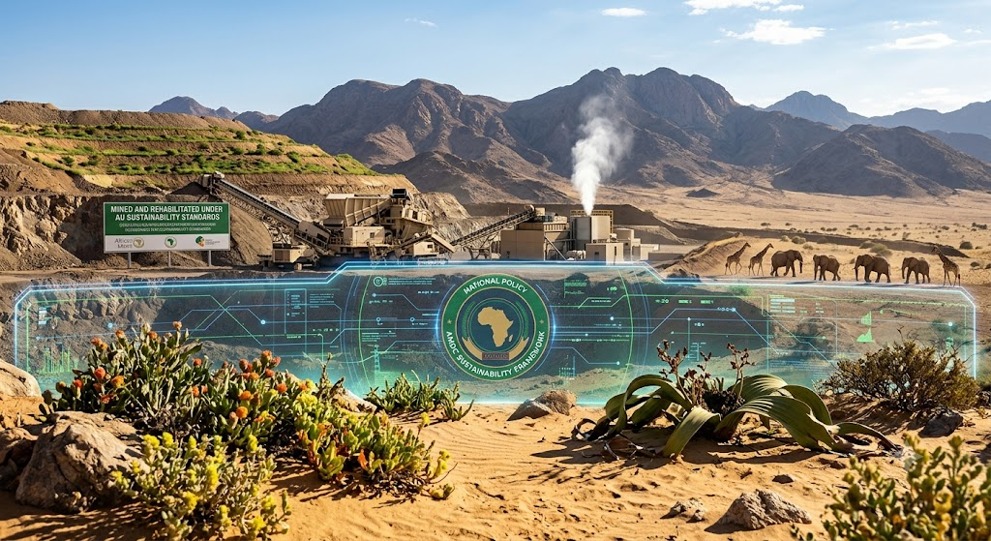
As one of Africa’s primary mining powerhouses—boasting extensive deposits of uranium, gem-quality diamonds, gold, zinc, and critical energy transition minerals—Namibia’s dual policy rollout sets a progressive benchmark for modern resource governance. Further reporting by China.org.cn highlights that the initiative balances high-value resource development with long-term ecosystem maintenance. Simultaneously, national coverage by The Namibian underscores that approved projects in sensitive zones will face stringent regulatory oversight, including enhanced Environmental Impact Assessments (EIAs), continuous environmental auditing, exclusion zones around critical biodiversity hotspots, and mandatory financial guarantees for post-closure mine site rehabilitation. By harmonizing strict domestic environmental protection with the African Union’s push for industrial self-reliance, Namibia is positioning itself at the forefront of sustainable and equitable resource management.