
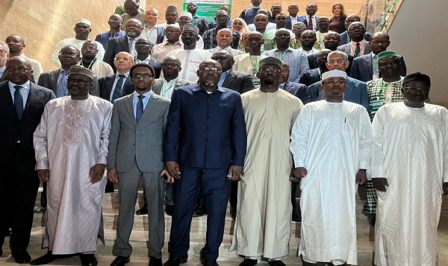
Sahel Alliance Launches Multi-State Agricultural Program in N’Djamena
Chad is hosting a regional initiative to tackle food insecurity, land degradation and youth unemployment across the Sahel. On October 20, 2026, Environment Minister Hassan Bakhit Djamous opened a preparatory workshop in N’Djamena. The workshop focuses on the Integrated Programme for Strengthening Food Systems Resilience and Youth Employment in the Sahel (PIRSA/EJ Sahel). According to Alwihda Info, the initiative brings together Chad, Burkina Faso, Mali, Mauritania and Niger. The African Development Bank supports the programme, alongside the World Food Programme and the Pan-African Agency of the Great Green Wall. Together, these partners aim to strengthen agriculture and expand economic opportunities in communities facing climate and security challenges.
The programme sets ambitious targets. It aims to reach two million people, restore one million hectares of degraded land, create 100,000 jobs and strengthen 5,000 businesses led by young people and women. Women should make up at least half of the beneficiaries, while young people account for 40%. The plan also seeks to increase agricultural production, support local processing and improve cross-border trade. In earlier coverage, Afrikinfos Mali reported on cooperation between Sahelian governments and development partners to develop the programme. Another priority is securing livestock movement corridors. These routes can help reduce tensions between farmers and herders over land and water. The workshop aims to clarify responsibilities and prepare the next steps.
Food security, climate resilience and employment are closely connected. Restoring degraded land can protect livelihoods, while stronger agricultural value chains can create jobs beyond farming. The African Development Bank has supported similar efforts, including its Sahel programme to build resilience against food and nutrition insecurity. That initiative promotes agricultural production, rural infrastructure and regional markets. However, PIRSA/EJ Sahel must turn its targets into practical results. Success will depend on funding, effective coordination and meaningful community involvement. The preparatory workshop runs from October 19 to 21, ahead of a November 15 deadline linked to a call for proposals under the African Development Fund’s ADF-17. Ultimately, communities will judge the programme by the land it restores, the businesses it supports and the lasting jobs it creates.





