
Somalia Begins Strategic Implementation Phase to Join AfCFTA Market
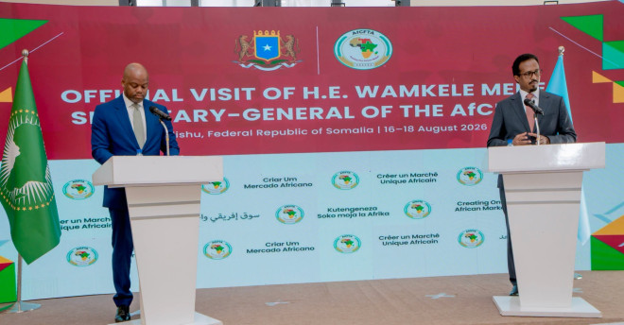
In a landmark transformation for Horn of Africa commerce, Somalia has officially completed domestic ratification of the African Continental Free Trade Area framework, culminating in a high-profile diplomatic visit by AfCFTA Secretary-General Wamkele Mene. Welcomed at Aden Adde International Airport by Somali Minister of Commerce and Industry Ambassador Jamaal Mohamed Hassan, Mene commenced a three-day strategic mission to align Mogadishu’s economic structures with the broader single market. As detailed by the Somali National News Agency, President Hassan Sheikh Mohamud’s presidential assent on July 31, 2026, cleared the path for depositing Somalia’s instrument of ratification with the African Union. Further reporting on the Mogadishu consultations by Hiiraan Online details how these steps signal the official start of Somalia’s transition toward full market integration, unlocking access for domestic enterprises to a combined consumer powerhouse encompassing 1.4 billion people and an aggregate GDP exceeding $3.4 trillion.
The bilateral discussions between trade leadership and the secretariat focused sharply on resolving technical bottlenecks, establishing rules-of-origin guidelines, and harmonizing border regulations. According to coverage by TechReview Africa, the primary operational objective of Mene’s mission is establishing a clear mechanism toward Somalia’s inaugural official cargo shipment under AfCFTA protocols. Somali officials highlighted plans to designate specialized industrial export processing zones, aiming to launch a distinct “Made in Somalia” commercial footprint across African supply chains. Further details published by Dawan Africa point out that Somalia’s geographical assets—including its extensive, strategically situated coastline along major East African maritime lanes—will be crucial for positioning the nation as a maritime transit hub.
Despite the substantial trade promises, navigating domestic implementation will require significant structural reform and institutional coordination across public and private sectors. Analysis from Motoseen Africa emphasizes that structural deficits in transport infrastructure, domestic production capacities, and customs administrative standards remain formidable hurdles. To bridge these gaps, regional reporting from FTL Somalia notes that Somalia is simultaneously pursuing broader economic integration through the East African Community, cross-border capital exchange links, and joint coastal transport initiatives. By linking trade policy with physical infrastructure upgrades, Somali policymakers intend to convert tariff reductions into sustained, long-term commercial growth.





