
Somalia Leads East African Parliamentary Talks as Regional Reforms Face a Test
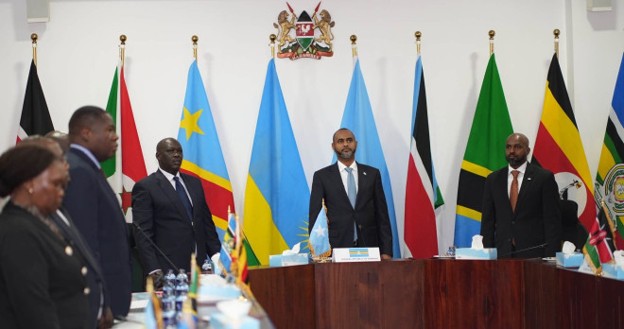
Somalia is taking a stronger role in East African cooperation. On 29 October, the Speaker of its House of the People, Cabdulqaadir Maxamed Nuur (Jaamac), chaired an extraordinary meeting of East African parliamentary speakers in Nairobi, Kenya. The meeting brought together leaders from parliaments across the East African Community (EAC). They discussed ways to improve cooperation and strengthen regional ties. Reports by Hiiraan Online, Shabelle Media Network and Hiiraanweyn confirm Somalia’s role in the talks. The discussions also covered key decisions on the future of the East African Legislative Assembly (EALA).
One major issue was the planned changes to EALA members’ elections and allowances. The changes are expected to take effect in December 2027. Under the proposal, national parliaments would take responsibility for paying their EALA members. However, some countries have raised concerns about how to put this plan into practice. Kenya wants a review of the decision and says legal changes may be needed. Uganda, on the other hand, has shown readiness to make the required changes. This debate highlights a wider challenge for the EAC. Member states must agree on how to carry out regional decisions. They must also ensure that regional institutions have the support they need to work effectively. Kenya’s concerns and Uganda’s position show that the process still needs careful attention.
The speakers also reviewed preparations for the EAC Inter-Parliamentary Games. The event will take place in Arusha, Tanzania, from 4 to 15 December 2026. Somalia confirmed that its Federal Parliament will send a sports team. The games aim to build friendship and closer ties among regional lawmakers. However, the bigger test for the EAC goes beyond meetings and sporting events. Stronger links between parliaments should lead to better policies, greater accountability and action on shared challenges. Somalia’s role in Nairobi is a sign of its growing participation in regional affairs. Yet the real value of this cooperation will depend on what member states achieve together. East Africa needs regional institutions that deliver practical results for its people.





