Somaliland Makes Implementation a Condition for Renewed Dialogue with Somalia
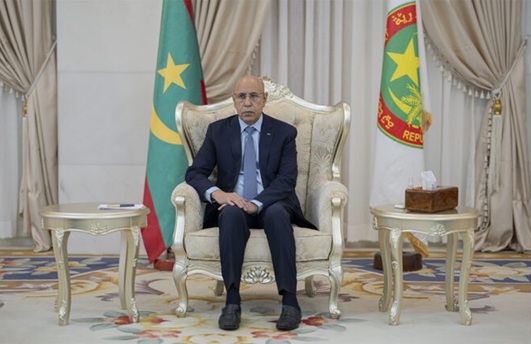
Somaliland President Abdirahman Mohamed Abdullahi “Irro” is pressing for a different approach to future engagement with Somalia, arguing that the implementation of existing agreements should come before new negotiations. Speaking to ambassadors, heads of international organisations and development partners in Nairobi on 7th August, Irro said Somaliland remains committed to dialogue but urged international partners to encourage Somalia to honour commitments already reached. As reported by Dawan Africa, he highlighted civil aviation and airspace management as areas where previous agreements have, in his view, not been fully implemented. The demand places the credibility of existing agreements at the centre of Somaliland’s approach to any renewed political process.
The position reflects an effort by Hargeisa to shift the emphasis from the continuation of negotiations to the delivery of commitments. Irro argued that repeatedly entering new rounds of talks without implementing previous understandings could weaken confidence in the dialogue process. His reference to aviation and airspace is particularly important because these functions involve practical questions of institutional authority and control. At the same time, his call for implementation does not amount to a rejection of negotiations; rather, Somaliland is seeking conditions that it believes would make future engagement more meaningful and capable of producing measurable outcomes.
The issue illustrates the difficulties surrounding attempts to resolve the political relationship between Somaliland and Somalia, where questions of authority, governance and competing political positions remain deeply contested. By making implementation a central demand, Irro is effectively linking future dialogue to accountability for past commitments. This approach could make renewed negotiations more substantive if both sides can establish mechanisms for implementing agreements, but it could also complicate the process if disagreements over previous commitments remain unresolved. The immediate challenge is therefore not simply bringing the parties back to the negotiating table, but creating enough confidence that future agreements can be translated into practical action.