
Tanzania Wants to Become a Food Superpower by 2050. What Will It Take?
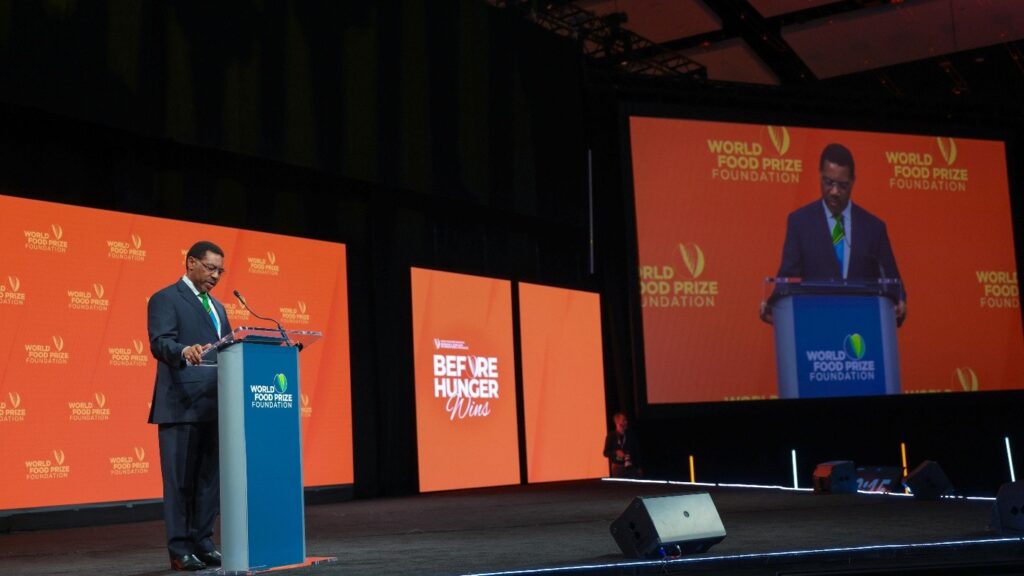
Tanzania wants to become one of the world’s top 10 food producers by 2050. But what will it take to reach that goal? Prime Minister Mwigulu Nchemba announced the target on 22 October at the Norman E. Borlaug International Dialogue in Des Moines, Iowa. The plan forms part of Tanzania’s Development Vision 2050. The agriculture ministry’s budget rose from 294 billion Tanzanian shillings in 2021/22 to 1.241 trillion in 2025/26. Nchemba also reported that Tanzania’s food self-sufficiency ratio had reached 130%. Agricultural exports grew from $2.1 billion in 2021/22 to $3.7 billion in 2024/25. The Prime Minister’s Office reported the announcement. These figures show the importance of farming to Tanzania’s economy. However, reaching the top 10 will require more than higher spending and rising exports.
Tanzania has room to grow more food, but it must make better use of its land and water.The country’s farming and irrigation potential. Of the 44 million hectares said to be suitable for agriculture, about 10.8 million hectares were under cultivation. Tanzania’s estimated irrigation potential stands at 29.4 million hectares, yet only around 727,000 hectares were under irrigation. These figures point to room for growth. Farmers need reliable water, better seeds, storage facilities and good roads. They also need easier access to markets. Food processing is another important step. Instead of selling only raw crops, Tanzania can develop more local industries to turn them into finished products. This could create jobs, support local businesses and keep more money within the country. Better farming tools and technology could also help farmers improve their harvests. For these changes to work, small-scale farmers must be able to access the support they need.
Tanzania’s plan could also benefit other African countries. Higher food production could increase supplies to neighbouring markets and support trade across the continent. It could also help reduce reliance on food imports from outside Africa. But producing more food is only part of the challenge. People must be able to afford it, and farmers must earn a fair income. Countries also need better storage and transport to prevent food from going to waste. Tanzania must therefore connect its spending plans with the needs of farmers and rural communities. Investment in research, climate protection and local food industries will also matter. The government has announced an ambitious target, and the reported figures show progress in spending and exports. Still, a target is not the same as an achievement. Tanzania’s real test will be whether it can produce more food, improve rural incomes and make its food system work for its people. If it succeeds, other African countries could learn from its experience as they work to strengthen their own food systems.





