
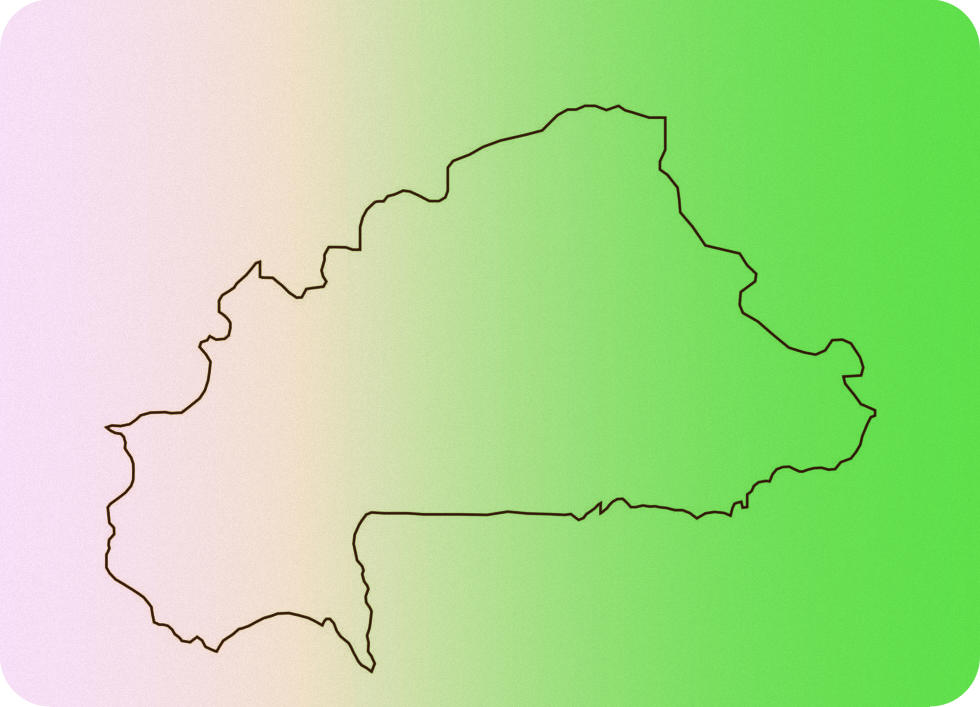
“That a Homeland Cannot Escape”: Across Burkina Faso, Youth Day Becomes a Nationwide Rally for the Sahel’s Sovereign Confederation
Burkina Faso marked International Youth Day on August 12 under the theme “Role, responsibility and commitment of Burkinabe youth in the construction of a sovereign confederal space,” with the national launch presided over in Ouagadougou and commemorations rolling out simultaneously across the country’s provinces, Burkina 24 reports. In Léo, capital of Sissili province, AIB reports youth and civil groups opened the day with a march through the city center in support of the Progressive and Popular Revolution, before High Commissioner Téwindé Isaac Sia urged young people to organize directly around community projects like road repair rather than wait for outside intervention. Traditional chief Sa Majesté Lio-Pio Dan-Zwè offered the day’s sharpest line: “when the homeland risks slipping away, it is the youth who must run to catch it.”
The confederal space these commemorations invoke by name is the Alliance of Sahel States, formed by Burkina Faso, Mali and Niger after each broke with ECOWAS, and formalized as a confederation treaty in July 2024 covering roughly 72 million people. In Fada N’Gourma, AllAfrica’s republished Sidwaya coverage describes youth watching a film on the Progressive and Popular Revolution followed by a panel titled “a revolutionary life,” before marching to the martyrs’ plaza to honor the revolution’s fallen. In Sissili, provincial sport director Denis Nikièma pressed the same point more bluntly, telling young people development “belongs to youth” and that they must stop expecting everything to come from their parents or from outside the country, while officials there also invoked Captain Thomas Sankara’s legacy directly, drawing explicit parallels between his 1980s Democratic and Popular Revolution and Captain Ibrahim Traoré’s current Progressive and Popular Revolution.
What emerges from these town-by-town accounts, rather than a single official readout, is how deliberately Burkina Faso’s authorities are working to root the AES project in everyday civic life rather than leave it as language confined to summits between Ouagadougou, Bamako and Niamey. A confederation built purely at the level of heads of state can stay hollow if the population underneath it never internalizes what sovereignty means in practice. Provincial officials tying that abstraction to road repairs, youth financing schemes and Sankara’s unfinished revolutionary project are attempting exactly that translation, sovereignty as something young Burkinabe are told to build with their own hands, not simply something declared on their behalf. Whether that framing produces the durable, popularly rooted confederation AES’s founders envision will depend less on any single Youth Day and more on whether Burkina Faso, Mali and Niger can deliver governance results substantial enough to give the rhetoric lasting weight.





