
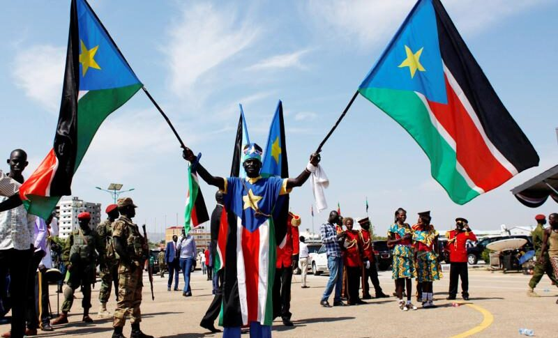
The Ballot Box at Last: South Sudan’s December Election Plans Test Whether a Nation Can Build Democracy While Still Constructing Itself
South Sudan’s preparation for elections scheduled for 22 December 2026 — with the National Elections Commission launching voter education campaigns, Parliament introducing legislative measures to facilitate the process, and 39 political parties registered to participate — is a political milestone whose significance is simultaneously genuine and cautious. Genuine because the December polls would represent South Sudan’s first national election since independence in 2011, replacing years of transitional administrations established through successive peace agreements with a government whose mandate derives from direct popular choice rather than negotiated elite accommodation. Cautious because the conditions under which that first election will be conducted — in a country where the security environment remains fragile in multiple regions, where state institutions are still being built alongside the democratic processes they are meant to sustain, and where the humanitarian consequences of previous conflict phases have not been fully addressed — create challenges whose management will determine whether the election advances democratic consolidation or exposes its current limits.
The decision to postpone both the permanent constitution-making process and the national population census until after the elections reflects a sequencing logic whose wisdom is pragmatic rather than optimal: elected governance provides legitimacy for the subsequent institutional decisions whose ownership by a government with a popular mandate is more durable than ownership by a transitional administration whose authority rests on peace agreement rather than democratic choice. But it also means that the December election will be conducted without the foundational census data whose absence complicates constituency delimitation, and before the constitutional framework whose provisions would normally govern the electoral rules has been completed. These are not reasons to defer an election indefinitely; they are governance challenges whose management requires the kind of technical support, political commitment, and civic engagement that regional, continental, and international partners are being asked to sustain.
The broader significance of South Sudan’s electoral preparation for Africa’s democratic governance conversation lies in the question it poses about sequencing — about whether democratic institutions can be built before the state capacity and security environment that normally sustain them are in place, or whether the act of holding credible elections is itself a contribution to building the institutional foundations that consolidate democratic governance over time. Evidence from post-conflict democratic transitions across the continent suggests that the answer is both: that elections in fragile environments carry genuine risks of exacerbating tensions, but that credible electoral processes also build the institutional capacity, civic norms, and legitimacy foundations that reduce those risks in subsequent cycles. Whether South Sudan’s December election advances this virtuous cycle will depend on the quality of its conduct, the breadth of its inclusion, and the credibility of the institutions that administer and adjudicate it.


