
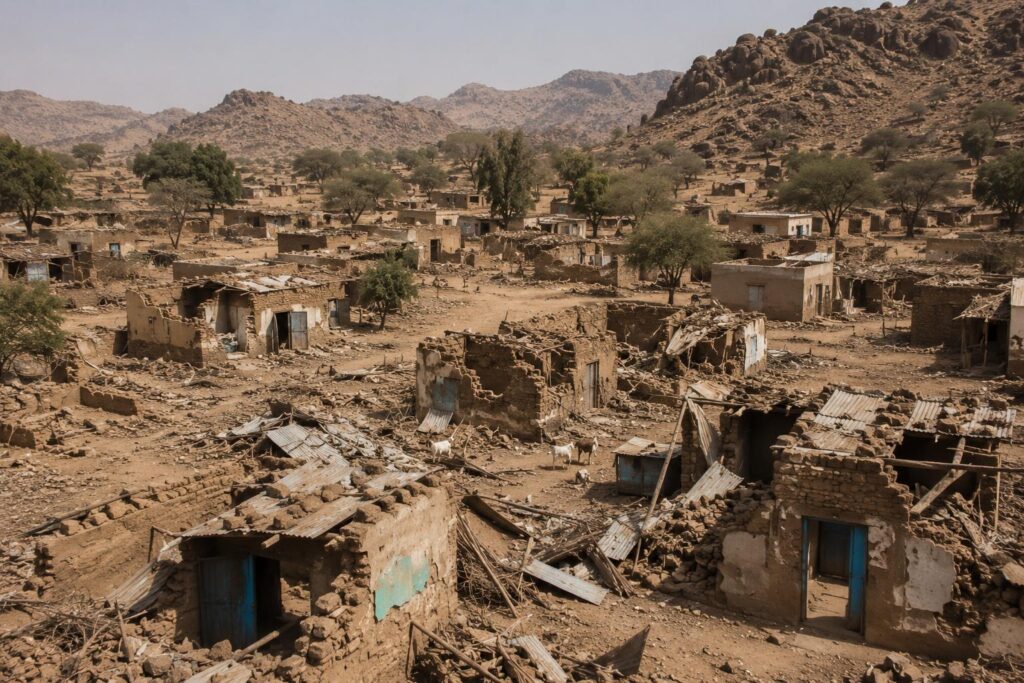
Why Darfur Remains a Test Of Accountability In Sudan’s War
The latest allegations of war crimes in Darfur are not simply another chapter in Sudan’s ongoing conflict; they are a reminder of the enduring challenge of accountability in one of Africa’s most troubled regions. Reports highlighted by Sudan Tribune suggest that attacks carried out during the current war have once again placed civilians at grave risk, reviving concerns about violations of international humanitarian law. More than two decades after Darfur became synonymous with global debates on mass atrocities and justice, the region is again confronting accusations that civilian lives are being sacrificed in a struggle for military advantage. The persistence of such allegations points to a deeper problem: the inability of successive political and security arrangements to establish effective safeguards against violence directed at non-combatants.
For Sudan, the implications extend beyond the immediate humanitarian consequences. Accountability is not only a legal issue but also a political one, shaping public trust, prospects for reconciliation, and the legitimacy of future state institutions. When allegations of abuses emerge without credible mechanisms for investigation and redress, cycles of grievance and mistrust are reinforced. Darfur’s history demonstrates how unresolved injustices can continue to influence national politics long after specific conflicts have faded from international headlines. The current accusations therefore raise broader questions about whether Sudan’s future stability can be achieved without addressing the culture of impunity that has repeatedly accompanied episodes of armed confrontation across the country.
More broadly, Darfur remains a critical measure of how both national and international actors respond to allegations of civilian harm during conflict. The issue is not only about assigning responsibility for individual incidents but also about whether meaningful accountability can deter future violations and help create conditions for lasting peace. As Sudan’s war continues to reshape communities, displace populations, and strain social institutions, the demand for justice is becoming inseparable from the search for stability. The central lesson emerging from Darfur is that sustainable peace depends not only on ending hostilities, but also on ensuring that those affected by violence are not denied recognition, protection, and accountability in its aftermath.





