
The Gambia Puts ICC Under Pressure Over Selective International Justice
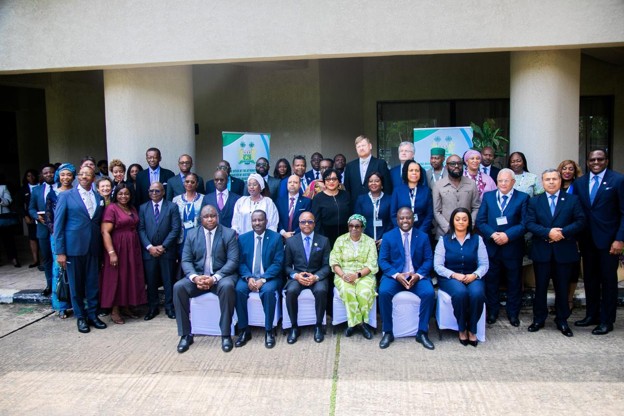
The Gambia has renewed its commitment to the International Criminal Court (ICC), while calling for fair and equal treatment in the pursuit of international justice. Justice Minister Dawda Jallow made the call at a regional ICC seminar in Freetown, Sierra Leone, held from 22 to 23 October 2026. The meeting brought together ministers, ambassadors and justice officials from nine African countries to discuss cooperation in prosecuting serious international crimes. According to the ICC’s official report, the seminar focused on strengthening ties between the Court and national justice systems. Jallow argued that African states must build their own capacity to investigate and prosecute serious crimes. However, they must also cooperate with the ICC when national authorities fail to act. He warned that slow, selective or conditional cooperation could allow impunity to continue. His position reflects a wider debate about how international justice can earn public trust across Africa.
Jallow also challenged concerns about the uneven application of international justice. He argued that these concerns deserve serious answers, not dismissal. The ICC depends on states to arrest suspects, protect witnesses and support investigations because it has no police force or prison system of its own. This makes cooperation between national governments and the Court essential. However, cooperation must not become a one-sided obligation. African countries also expect the Court to apply international law consistently, regardless of a suspect’s nationality or political position. The Gambia has had its own complicated relationship with the ICC. Its former government withdrew from the Rome Statute in October 2016, but the country rejoined in February 2017 under the new administration. Gambia Radio and Television Services reported Jallow’s call for states to remain members through conviction, not habit. This position points to the need for honest dialogue between African governments and the Court.
Beyond its position on the ICC, The Gambia is working to hold people accountable for abuses committed under former President Yahya Jammeh. The government has passed laws to establish a Special Accountability Mechanism and a Special Prosecutor’s Office. ECOWAS has also approved a hybrid Special Tribunal for The Gambia, and the country appointed its first Special Prosecutor in April 2026. However, the tribunal still needs reliable funding before it can carry out its work. In a separate report, The Point highlighted this funding gap and the long wait for justice among victims. This is a crucial test for The Gambia. Establishing laws and institutions matters, but victims also need investigations, fair trials and meaningful accountability. For Africa, the wider challenge is to strengthen national justice systems, support regional accountability efforts and demand consistent international standards. Justice must not depend on a country’s power or influence.





