The Sahel’s Search for Strategic Autonomy: Niger’s New Partnerships Reflect a Changing Global Order
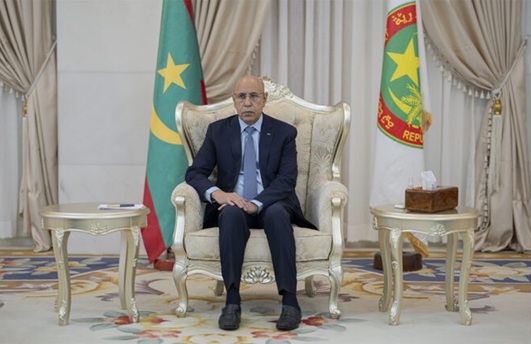
Niger’s deepening engagement with Türkiye is about more than diplomacy between two states; it is part of a broader effort by Sahelian governments to redefine how sovereignty is exercised in an era of shifting global power. During President Abdourahamane Tiani’s visit to Ankara, agreements covering health, education, economic cooperation, diplomatic training, energy, mining, and security highlighted the growing scope of relations between the two countries. Yet the significance of the visit lies less in the individual agreements than in what they represent: across the Sahel, governments are increasingly seeking to diversify their international relationships as they reassess political and economic arrangements that have shaped the region for decades. In this context, Niger’s outreach to Türkiye reflects a wider pursuit of strategic autonomy and greater control over national development priorities — a refusal to accept the inherited architecture of dependency as a permanent condition.
At the heart of this shift is a contest over how capital, investment, and development partnerships are structured. For many countries in the region, debates about sovereignty are inseparable from questions of economic dependency, resource governance, and external influence. The appeal of emerging partnerships lies in their promise to expand options rather than reinforce inherited hierarchies. Türkiye has positioned itself as a partner emphasising trade, infrastructure, industrial cooperation, and investment, presenting its engagement as distinct from older models associated with political conditionality or asymmetric influence. Whether such partnerships ultimately fulfil those expectations will depend on outcomes rather than rhetoric — but their growing attraction illustrates a broader desire among African states to negotiate from a position of greater agency within a global system that has historically defined the terms of their participation.
The implications extend beyond Niger and even beyond the Sahel. A more multipolar world is creating opportunities for African governments to engage a wider range of partners and potentially secure more favourable terms for investment, technology transfer, and economic cooperation. This evolving landscape does not automatically guarantee development or sovereignty; domestic institutions remain decisive in determining whether external partnerships generate broad-based prosperity or merely reproduce new forms of dependence under different flags. Nevertheless, Niger’s turn toward Türkiye reflects an important political reality of the contemporary era: many African states are no longer seeking to choose between competing blocs, but rather to expand their strategic space and shape international relationships according to their own national priorities. The story is not simply about a new partnership — it is about the continuing continental struggle to convert political sovereignty into genuine economic sovereignty in a global order that is, at last, becoming more open to African agency.