The Sahel Stands Its Ground: ECOWAS Mediates as AES Refuses to Retreat
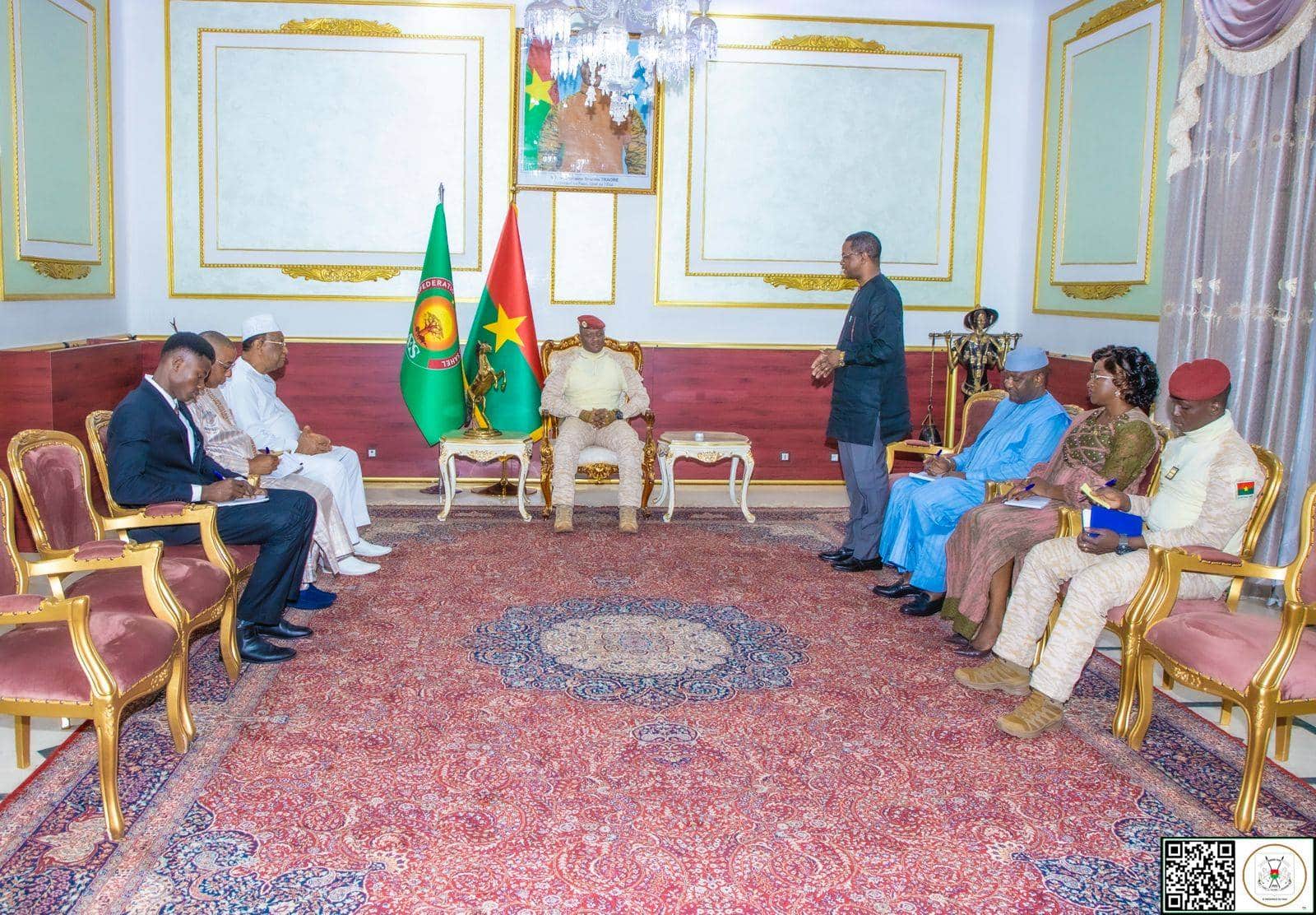
In Ouagadougou, Burkina Faso’s Head of State, Captain Ibrahim Traoré, received ECOWAS mediator Lansana Kouyaté in a high-level discussion centred on regional security and political stability. The meeting comes at a moment when relations between ECOWAS and the Alliance of Sahel States — comprising Burkina Faso, Mali, and Niger — remain diplomatically strained yet strategically unavoidable. For the three countries that chose to exit ECOWAS and form the AES confederation, the reception of a bloc mediator signals something important: that even sovereign realignment does not erase the geographic and human ties that bind West African nations together.
According to the mediator, the talks focused on complex issues affecting security and stability, with both sides acknowledging the necessity `of maintaining communication channels despite political divergences. Kouyaté emphasised that geography binds the two entities together, insisting that regional cooperation is not optional but structurally inevitable for West Africa’s long-term stability. At the core of the discussions was the issue of cross-border mobility and population movement, with ECOWAS pushing for continued free movement between member and AES countries — a recognition that ordinary citizens across the Sahel live lives that have never respected the logic of political rupture among their leaders.
The mediation effort signals an attempt to prevent full regional fragmentation — and highlights a critical tension in West Africa’s evolving political order. The AES nations have publicly positioned their departure from ECOWAS as an act of sovereign defiance against a bloc perceived as too closely aligned with Western interests and insufficiently sensitive to the security crises reshaping the Sahel. Yet Pan-Africanism has always demanded something harder than sovereignty alone: the ability to disagree without dismembering the continental project. The hope carried by these talks is that Burkina Faso, Mali, and Niger — even while charting their own path — remain open to the cooperative frameworks that African unity will ultimately require.