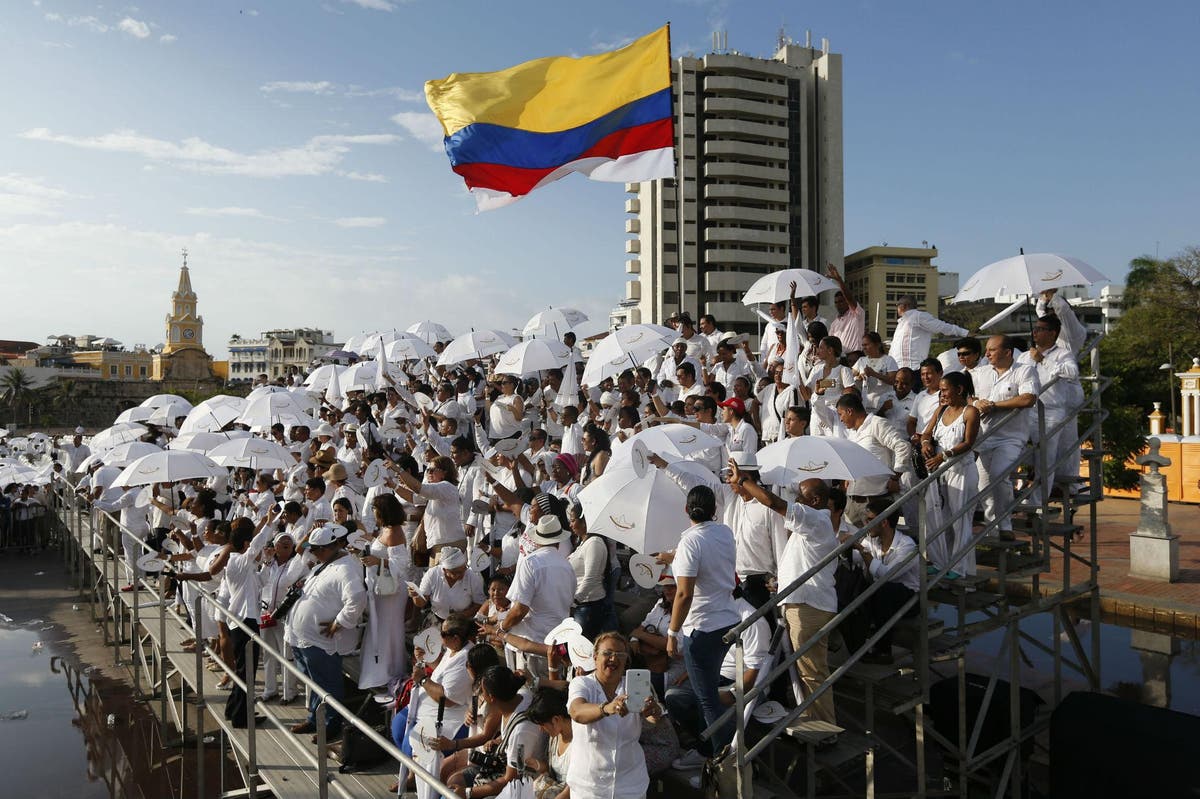
UN Urges Colombia to Protect 2016 Peace Accord Commitments
The United Nations Security Council reviewed progress on Colombia’s 2016 Peace Agreement as the country entered a major political transition following closely contested presidential elections. UN officials urged Colombia’s incoming government to preserve the achievements made under the agreement and continue treating the peace process as a long-term state policy rather than a programme linked to a particular administration. The agreement, signed after decades of conflict with the Revolutionary Armed Forces of Colombia (FARC-EP), established measures for disarmament, reintegration, rural reform, political participation, and transitional justice.
The UN Verification Mission in Colombia highlighted important advances, including the continued reintegration of more than 11,000 former FARC-EP members and progress in land reform, with millions of hectares formalised for rural communities and former combatants. However, officials warned that challenges remain, including violence against former combatants, insecurity in conflict-affected regions, threats against Indigenous and Afro-Colombian communities, and the need for stronger state presence in areas historically affected by armed groups.
Security Council members emphasised that Colombia’s peace process remains an example of resolving conflict through dialogue but requires continued political commitment and international support. Representatives called for greater efforts in rural development, justice, security guarantees, and protection of communities affected by violence, stressing that maintaining peace depends on strong institutions and cooperation beyond political changes.