
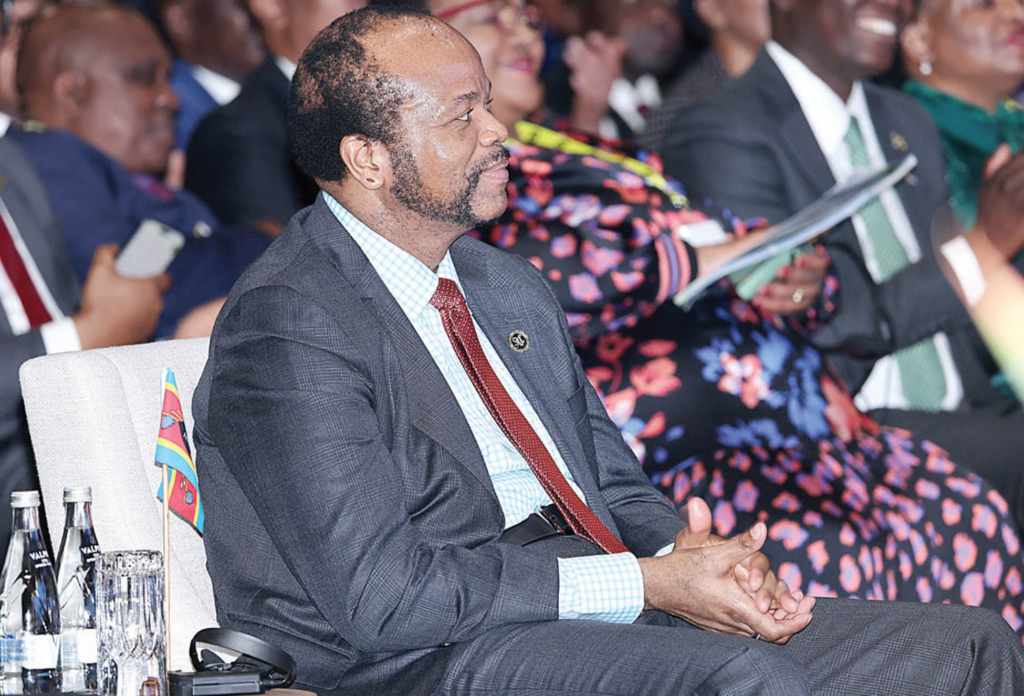
Unlocking Regional Growth; King Mswati III Demands Full Integration of Smaller States into the North–South Corridor
Speaking during high-level deliberations at the 46th SADC Summit held in Durban, South Africa, His Majesty King Mswati III issued a strong call for regional leaders to fully integrate smaller landlocked nations like Eswatini and Lesotho into the North–South Economic Corridor. Emphasizing the execution of Agenda Item 5 under the Regional Indicative Strategic Development Plan framework, the King advocated for converting key transit routes into active economic corridors to ensure smaller states are not sidelined in regional trade, industrial growth, and infrastructure advancement. Reporting from the Times of Eswatini notes that the monarch urged the expansion of primary transit arteries to feature strategic feeder networks. Additional perspectives published by Inside Politics highlight how the broader summit agenda centered on driving sustainable industrialization, enhancing infrastructure, and fostering interconnected economic resilience across all member states.
Detailing the commercial value of Eswatini’s logistics networks, King Mswati III highlighted the critical role of the Ngwenya–Oshoek Border Gate as the kingdom’s dominant trade portal connecting local businesses to South Africa and wider continental markets. He noted that integrating the Carolina–Oshoek/Ngwenya road link and adjacent networks extending toward Mozambique would establish vital east–west transport links, boosting cross-border efficiency while supplementing the principal north–south movement. Coverage from SAnews underscores that transforming transport infrastructure into dynamic economic hubs remains a central priority for SADC leaders seeking to eliminate regional trade barriers and lower logistical costs for businesses.
To turn these strategic concepts into reality, the King proposed that the SADC Secretariat directly collaborate with the governments of Eswatini and Lesotho to incorporate these feeder connections into regional governance frameworks, resource allocation programs, and comprehensive investment maps. Modernizing border facilities, upgrading road and rail connectivity to Mozambican ports, and finalizing national strategic energy assets—such as Eswatini’s ongoing strategic oil reserve construction—were framed as necessary steps to guarantee regional energy security and overall economic stability. Official event updates released by the SADC Durban Summit Portal confirm that heads of state continue to prioritize these structural alignment recommendations as part of the bloc’s long-term integration strategy.





