
Unsung Heroines of 1913: How Free State Women Ignited South Africa’s First Mass Anti-Pass Resistance
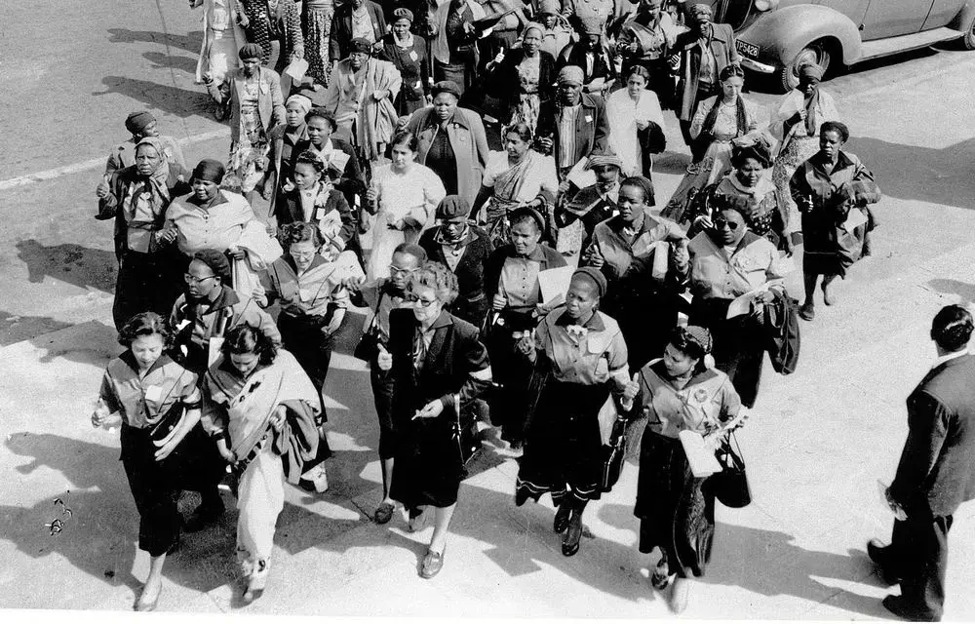
Every August, South Africa remembers the 20,000 women who marched on the Union Buildings in 1956. But as Mail & Guardian columnist Lesley Mofokeng argues, that famous march was not the beginning of Black women’s resistance to pass laws, it was a continuation. Forty-three years earlier, in May and June 1913, women across the Orange Free State organised what South African History Online documents as a sustained anti-pass campaign, refusing to carry the documents used to control their movement in towns like Bloemfontein, Winburg and Jagersfontein, and enduring mass arrests as enforcement escalated through the province.
The campaign’s roots trace to the Bantu Women’s League, founded in 1912 under Charlotte Maxeke, South Africa’s first Black woman university graduate, whose members petitioned the government for a full year before turning to direct action. On 29 May 1913, close to 600 women marched on the Bloemfontein magistrate’s court, tearing up and burning their passes in the street, an act detailed by National Museum Publications as the moment the campaign’s leaders, including Mrs Molisapoli and Katie Louw, emerged as a organised political force rather than a spontaneous crowd. Journalist Sol T. Plaatje, a founding figure of what became the ANC, chronicled their imprisonment through a Free State winter in his newspaper Tsala ea Batho, where he compared Mrs Molisapoli’s leadership to that of British suffragette Emmeline Pankhurst, framing Free State resistance as equal in principle to movements the world was already learning to celebrate.
That the 1913 women remain absent from South Africa’s national memory while 1956 is annually commemorated is not an accident of history, it is a product of who had the infrastructure, language access and political capital to be remembered afterward. This is the terrain reparatory justice work must cover beyond financial compensation: the harder task of restoring names, dates and dignity to those written out of the record. Honouring Mrs Molisapoli, Katie Louw, Charlotte Maxeke and the hundreds who marched behind them is not sentimental history. It is reparations in its most basic form, the insistence that a debt of memory, too, must be paid.


