War Crimes Against the People: Sudan’s Civilian Crisis Demands a Global Reckoning
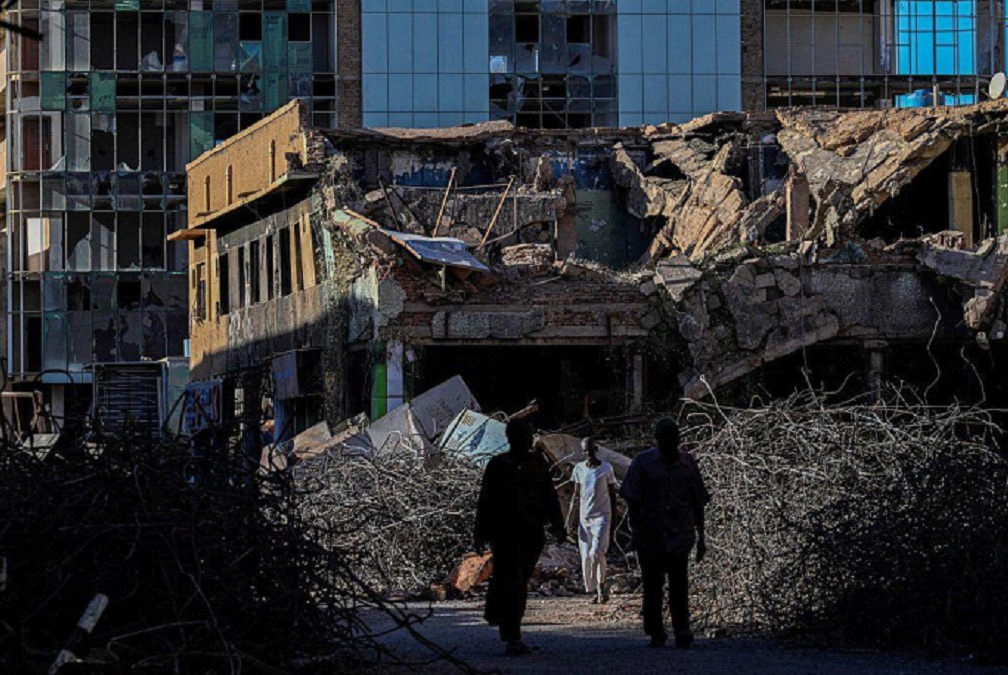
The people of Sudan are not victims of fate — they are victims of a failure of governance and a failure of the international order to protect Black and African lives with the same urgency it extends elsewhere. As rival military factions wage a savage contest for power, communities in Khartoum, Darfur, and Kordofan are being subjected to indiscriminate attacks, forced displacement, and the systematic dismantling of essential services. The United Nations and leading aid organizations warn that the country’s protection crisis has reached catastrophic levels — millions exposed to violence, hunger, and acute insecurity in what is rapidly becoming one of the worst humanitarian emergencies in the world. The political roots of this crisis — years of authoritarian misrule, imperial meddling, and the arming of warlords by foreign powers — cannot be separated from the civilian suffering now unfolding.
The humanitarian emergency is deepening as the space for civil life is annihilated. Aid agencies report that deliberate restrictions on humanitarian operations are blocking the delivery of food, medicine, and emergency supplies to populations trapped in active conflict zones. Sudanese communities — families, teachers, doctors, farmers — are seeing decades of social infrastructure erased in weeks. Across the African continent, civil society organizations and Pan-Africanist movements have begun amplifying calls for African-led conflict resolution, insisting that the fate of Sudan must not be left to the same international actors whose geopolitical interests have historically prolonged African wars. The African Union, many argue, must step forward with the moral authority and institutional resolve the moment demands.
There is a reparative dimension to the global community’s obligation toward Sudan that must be named plainly. Decades of sanctions, proxy conflicts, debt traps, and political interference by powerful states have systematically weakened Sudanese institutions and civil capacity. The same powers now issuing statements of concern bear structural responsibility for the conditions that enabled this collapse. Analysts warn that without meaningful, African-centered diplomatic intervention and concrete material commitments — not aid conditioned on strategic compliance, but genuine reparative solidarity — the conflict will deepen, civilian suffering will become entrenched, and the destabilization will ripple outward across the region. The international community’s response must be proportionate to both the urgency and the historical debt.