
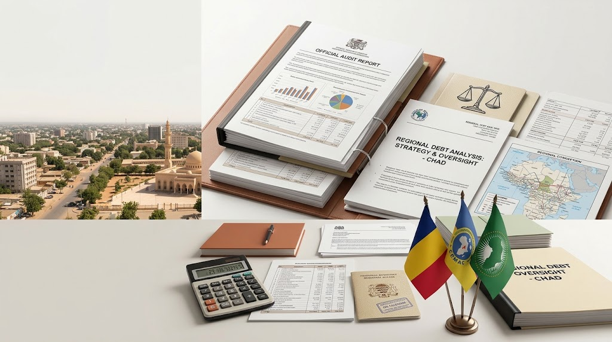
Who Is Watching Africa’s Debt? Chad Hosts Key Meeting on Public Money and Accountability
Africa’s public debt is once again taking centre stage as Chad prepares to host a major meeting of the continent’s public audit institutions. From 2 to 6 November 2026, N’Djamena will host the 63rd meeting of the African Organization of Supreme Audit Institutions (AFROSAI), which also marks the organisation’s 50th anniversary. According to the official AFROSAI announcement, the meeting will bring together members and partners to review the organisation’s strategic plan and discuss future priorities. However, one issue stands out: public debt in Africa and whether countries can manage it sustainably. A roundtable on 5 November will examine how independent auditing can help assess debt sustainability. Tchadinfos and N’Djaména Actu have also reported on the meeting. Their coverage highlights the importance of transparency, sound financial management and stronger oversight of public funds.
The question goes beyond how much African governments borrow. Citizens also need to know how governments use borrowed money, whether public projects deliver results and who answers when funds are mismanaged. This is where independent audit institutions matter. They examine public accounts, assess the use of state resources and can identify weaknesses that require action. Moreover, reliable audits can help lawmakers, citizens and development partners scrutinise government spending. Le N’Djam Post reports that the sustainability of public debt and the role of independent auditing will feature prominently in the discussions. Yet auditing alone cannot solve Africa’s debt challenges. Governments must also act on audit findings, publish clear financial information and ensure that public borrowing serves genuine development needs. Without these steps, stronger oversight risks remaining a promise on paper rather than a tool that improves people’s lives.
For Chad, hosting the meeting offers an opportunity to contribute to a wider African discussion about financial accountability and development. For the continent, AFROSAI’s 50th anniversary provides a moment to consider how public audit institutions can become more effective and independent. Tchad Vision has framed the anniversary around sovereignty and accountability, while the President of Chad’s Court of Auditors, Zara Ibrahim Mahamat Itno, has stressed the responsibility of African audit institutions to help improve people’s living conditions through more transparent and sustainable management of public money. Ultimately, Africa’s financial sovereignty depends not only on the freedom to set its own development priorities, but also on the ability to account for the resources used to pursue them. As African representatives gather in N’Djamena, the central question is clear: can stronger public oversight help ensure that national debt supports development rather than placing a lasting burden on future generations?
Author: Randy Lawson.





