
Zambia’s 2026 Vote Tests Whether Economic Recovery Can Translate into Wider Prosperity
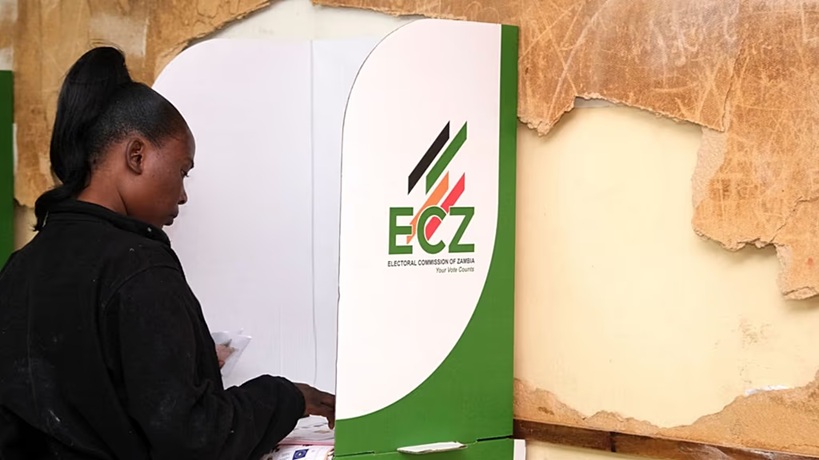
Zambia’s general election is placing the country’s economic trajectory alongside its democratic choices, as voters assess the record of President Hakainde Hichilema’s first term and decide whether to extend his mandate. According to Africanews, polling opened on 13th August with Hichilema seeking a second term after taking office in 2021. His administration has highlighted progress in restoring Zambia’s economic stability, including the restructuring of the country’s debt following its 2020 sovereign default. Yet the election is taking place against continued concerns over the cost of living, meaning that the electorate is weighing improvements in macroeconomic stability against the everyday economic pressures facing households.
The vote therefore represents an important assessment of whether economic reforms are translating into broader social and productive gains. Hichilema is competing against 13 other presidential candidates, including former Patriotic Front minister Brian Mundubile, while the opposition is seeking to turn economic pressures into a challenge to the incumbent’s record. Zambia’s dependence on copper also gives the election a wider economic dimension. The country remains focused on expanding mining investment and using its mineral resources to support growth, but the longer-term challenge is to ensure that commodity wealth contributes to employment, productive diversification and improved living standards rather than leaving the economy vulnerable to fluctuations in external markets.
The outcome will therefore matter not only for the composition of Zambia’s government but also for the direction of its economic transformation and national development strategy. A renewed mandate would give Hichilema an opportunity to continue his reform programme, while also creating greater expectations that economic stabilisation will produce tangible improvements in household purchasing power, employment, public services and economic opportunity. For whichever government emerges, the central challenge will be to consolidate fiscal stability while strengthening Zambia’s domestic productive capacity and ensuring that the benefits of its mineral wealth and economic recovery are more broadly distributed. The election thus provides Zambian voters with a direct opportunity to shape both the country’s political leadership and its economic priorities for the next phase of development.





