Zimbabweans First: Harare’s Gold Mining Decree Is a Sovereign Assertion Africa’s Mineral States Must Study
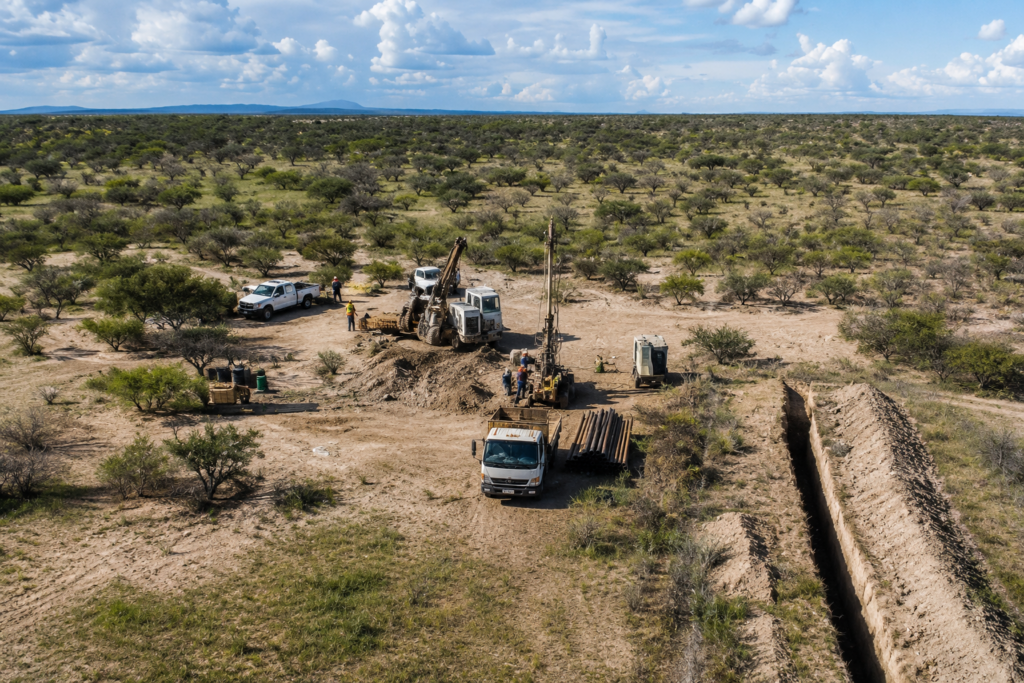
Zimbabwe’s decision to bar foreign individuals and companies from participating in small-scale gold mining — announced by Mines Minister Polite Kambamura in Harare and setting a January 2027 deadline for foreign operators to scale into larger industrial operations or exit the sector entirely — is not simply a mining regulation. It is a sovereign assertion about the relationship between African resource wealth and African economic development, made by a government that has watched for too long as gold flowed outward while communities absorbed the environmental damage, safety risks, and structural underdevelopment that extraction left behind. With small-scale miners reportedly contributing nearly two-thirds of Zimbabwe’s national gold output, the decision acknowledges a sector that has been central to the country’s economy while remaining dominated by external operators whose primary obligation has been to their own profitability rather than to the communities and country they worked within.
For years the political economy of Zimbabwe’s artisanal and small-scale gold sector has been shaped by tensions between foreign capital seeking easy access to low-threshold mining operations, local communities whose livelihoods depend on those same operations, environmental damage accumulating without adequate remediation, and accusations of gold smuggling networks that have moved mineral value outside the formal economy and beyond national taxation. The government’s policy reflects a genuine and widely shared public demand: that strategic national resources serve domestic employment, local ownership, and economic circulation within Zimbabwe rather than functioning as convenient extraction corridors for foreign operators who face few obligations to the country beyond their operational licences. The harder challenge — which will define whether this policy achieves its goals — is ensuring that the transition to local ownership produces genuine community benefit rather than elite capture dressed in nationalist language.
Across the continent, Zimbabwe’s move resonates as part of a broader and deepening African reassessment of the terms on which minerals, oil, and strategic commodities have been extracted and exported since independence. The reparative demand embedded in resource nationalism is not merely economic — it is historical: the insistence that Africa’s mineral wealth, which helped build the industrial economies of Europe and North America over centuries of colonial extraction, must finally be reorganised to serve the development of the African communities it comes from. Zimbabwe’s gold decree will not by itself achieve that transformation. But it is a clear political signal that the tolerance for arrangements where African earth generates foreign prosperity while African people absorb the costs has reached its limit — and that future mineral relationships with this continent will need to be built on genuinely different terms.