Western Sahara’s Independence Struggle Discussed at University of Tartu
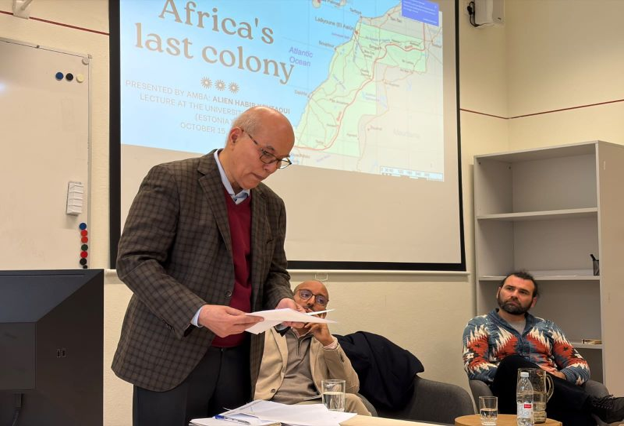
A Sahrawi diplomat has taken the Western Sahara question to a university audience in Estonia. On 17 October, Ali Habib Al-Kantawi delivered a lecture at the University of Tartu on the territory’s history, legal status and unfinished decolonisation process. The Algeria Press Service (APS) reported on the event, while the Sahrawi Press Service provided further details. The discussion covered Spanish colonial rule, the emergence of the Polisario Front in 1973, and the conflict that followed Spain’s withdrawal in 1975. It also addressed Sahrawi demands for self-determination, the situation of refugees, human rights concerns and the exploitation of natural resources. The event formed part of broader Sahrawi diplomatic efforts to bring the issue before European political and academic audiences.
The legal status of Western Sahara remains central to the conflict. In its 1975 advisory opinion, the International Court of Justice found historical ties between the territory and Morocco and Mauritania. However, it found no ties of territorial sovereignty that would override the principle of self-determination. The United Nations-backed referendum process agreed alongside the 1991 ceasefire has still not delivered a vote on the territory’s future. The dispute also concerns the territory’s natural resources and the rights of its people. These issues remain important to any lasting settlement.
The University of Tartu event brings renewed attention to one of Africa’s unresolved decolonisation questions. The Sahrawi Arab Democratic Republic is a member of the African Union, while Morocco also claims Western Sahara and controls most of the territory. The dispute raises wider questions about self-determination, resource ownership and the role of international law in resolving conflicts. The University of Tartu has previously hosted academic discussion on Western Sahara, including a December 2025 seminar on decolonisation and self-determination. Continued discussion can help audiences examine the competing political positions and legal arguments. Ultimately, a durable settlement will depend on a credible political process that addresses the rights and future of the Sahrawi people.
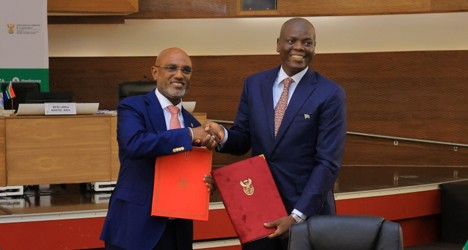
PHOTO SOURCE: SAHRAWI PRESS SERVICE
Author: Randy Lawson.