Eswatini Pushes for Africa to Build Its Own Financial Institutions
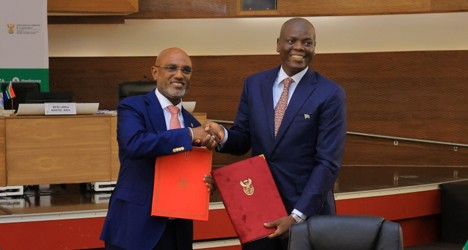
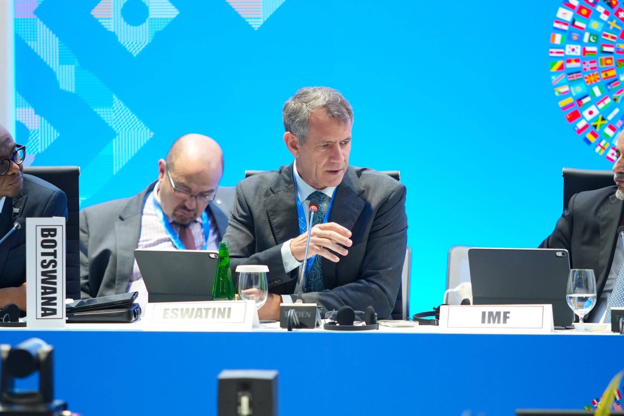
Africa wants greater control over its economic future, but where will the money for its development come from? Eswatini’s Finance Minister, Neal Rijkenberg, wants African countries to move faster in setting up their own financial institutions. As reported by Eswatini Positive News, Rijkenberg raised the issue during discussions linked to the 2026 IMF and World Bank Group Annual Meetings in Bangkok, Thailand. The discussion centres on three proposed institutions: the African Investment Bank, the African Monetary Fund and the African Central Bank. Each would serve a different purpose, from financing development projects to supporting financial stability and monetary cooperation. For a continent with abundant natural resources but major funding needs, building stronger African financial institutions could open up more ways to pay for its own priorities.
The three institutions have different roles. The African Investment Bank would help fund infrastructure and productive industries. The African Monetary Fund would support financial stability and assist member states facing financial difficulties. The proposed African Central Bank would promote monetary cooperation, with a common African currency remaining a longer-term ambition. However, these institutions are not all ready to begin full operations. Countries still need to complete important legal and ratification steps. The African Union’s financial institutions framework outlines the wider plan, but governments must now turn those commitments into action. Without the necessary agreements, funding and operating structures, the institutions cannot deliver the benefits African countries expect from them.
The issue matters because African countries need financing for roads, electricity, agriculture, manufacturing and local businesses. When borrowing costs rise or funding proves difficult to secure, governments have less room to invest in these areas. Stronger continental institutions could give countries more options, but simply creating them will not solve Africa’s financial challenges. They must manage their funds openly, lend responsibly and ensure that countries can access support on fair terms. Rijkenberg’s call raises a question African leaders can no longer ignore: what will it take to turn plans for financial independence into institutions that actually work? Progress will depend on governments moving beyond repeated promises and building institutions that can help African economies grow, create jobs and finance their development needs.
PHOTO SOURCE: ESWATINI POSITIVE NEWS
Author: Randy Lawson.