Algeria and Niger Drill for Sovereignty; Kafra Oil Project Signals a New Phase of African Energy Cooperation
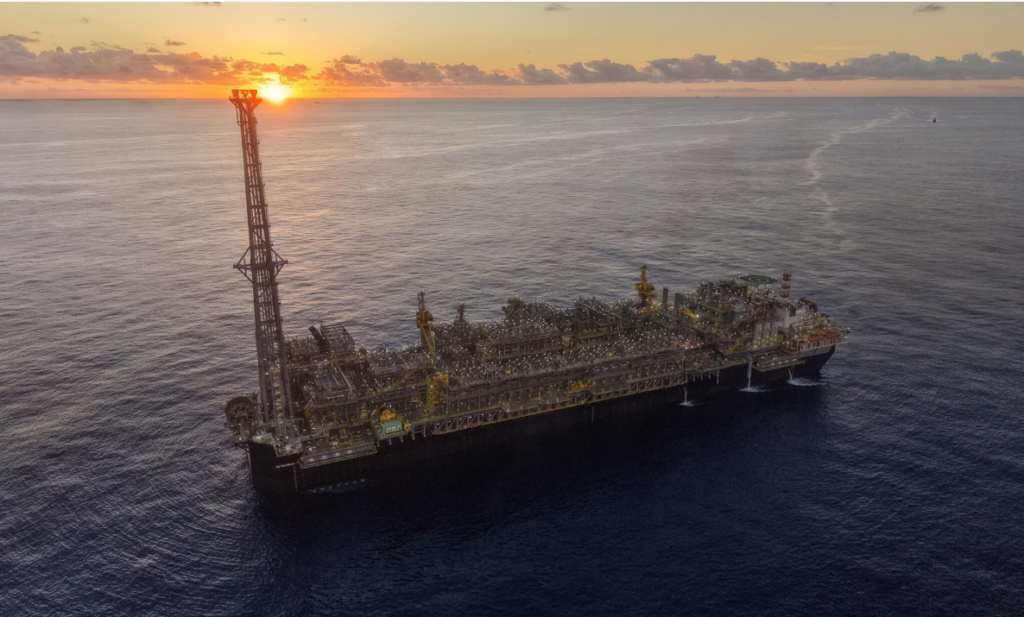
Algeria and Niger have taken a significant step in strengthening African cooperation over natural resources with the launch of exploratory drilling at the Kafra South-East 1 oil well in northern Niger. The drilling operation, involving Algeria’s state-owned energy company Sonatrach and its subsidiary ENAFOR, was formally launched on August 13 in the presence of Algerian Prime Minister Sifi Ghrieb and Nigerien Prime Minister Ali Mahaman Lamine Zeine. The project targets an exploration depth of approximately 3,900 metres and forms part of a long-standing partnership between the two countries over the Kafra block, which lies close to their shared border. As reported by the Algeria Press Service on the launch of the Kafra South-East 1 drilling operations, the development marks an important stage in bilateral cooperation, while Energy News detailed Sonatrach’s drilling operation and the wider Kafra exploration project, including the role of ENAFOR and the potential significance of the block for Niger’s energy sector.
Beyond the immediate search for oil, the Kafra project represents a broader effort to deepen African technical, economic and institutional cooperation. APS described the start of drilling as a new milestone in the Algeria–Niger strategic partnership, with cooperation expected to extend to technology transfer and the training of Nigerien personnel. This dimension is particularly significant at a time when African countries are increasingly demanding greater control over the development and management of their natural resources. Rather than simply opening resource-rich territories to external extraction, the partnership places an African state-owned energy company at the centre of exploration while creating opportunities for local capacity building. The project also builds on Sonatrach’s broader regional ambitions, with APS reporting on the company’s efforts to strengthen its international and African presence, signalling the potential for African institutions and companies to play a more central role in financing, developing and managing the continent’s strategic resources.
The Kafra South-East 1 project therefore carries implications that go beyond the discovery of new النفط reserves. It emerges at a moment when Niger is pursuing a stronger policy of national sovereignty over its oil and other strategic resources, while Algeria is expanding its economic and strategic engagement across the Sahel. As Energy News reported on the wider Algeria–Niger cooperation surrounding the project, the two countries have also strengthened collaboration in areas including electricity, security and border development. This growing relationship offers an example of how regional cooperation can support economic sovereignty through the pooling of African expertise, infrastructure and investment. If accompanied by genuine technology transfer, local employment and equitable management of revenues, the Kafra project could demonstrate how Africa’s natural wealth can increasingly be developed through African partnerships for African development, reinforcing the wider push for economic independence, regional integration and greater control over the continent’s resources.